
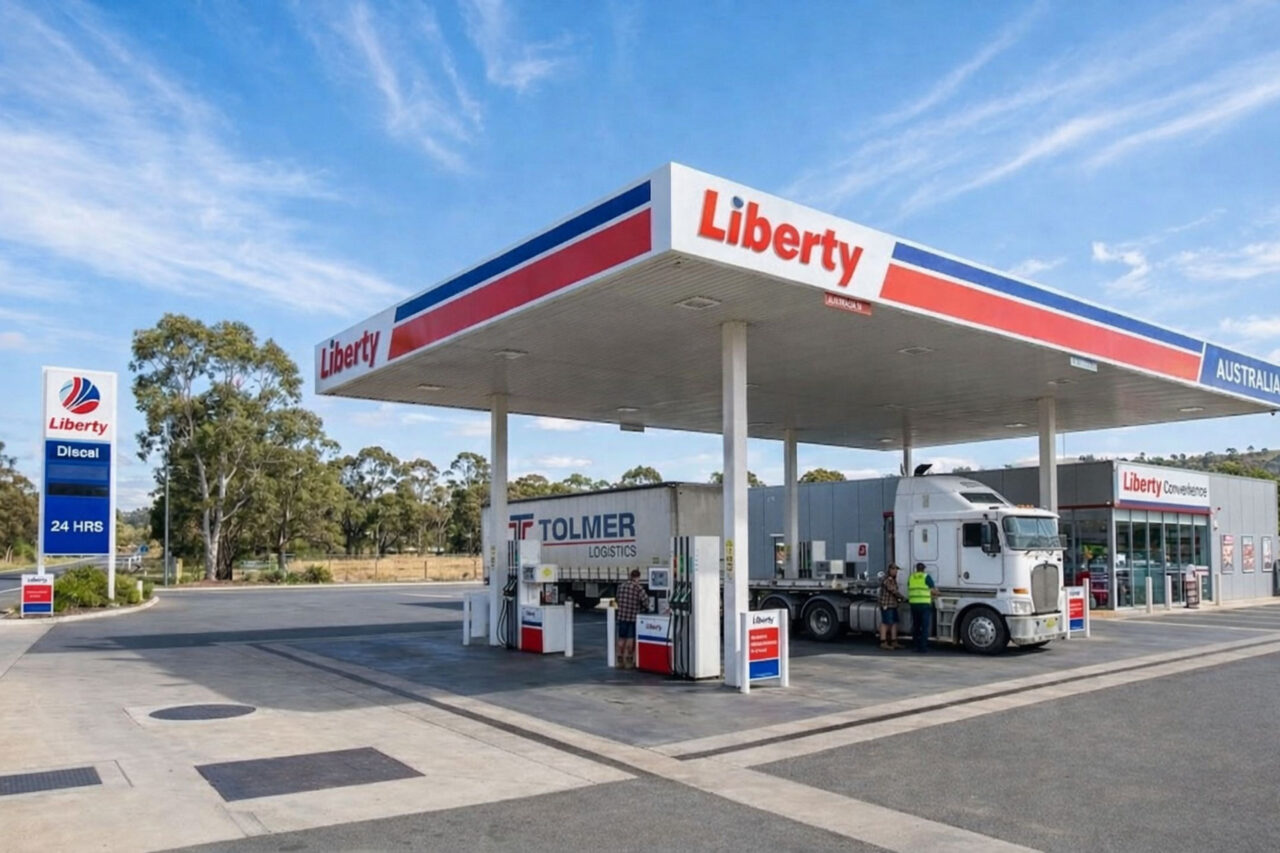
Introduction
A service station canopy is one of the most essential parts of a modern fuel station project. It is the overhead structure installed above the fuel dispensers to provide weather protection, improve station visibility, and support lighting, drainage, and branding systems.
In today’s fuel retail industry, a service station canopy is much more than a simple roof. It affects customer experience, station appearance, equipment protection, and long-term operational efficiency. Whether you call it a fuel station canopy, gas station canopy, or petrol station canopy, this structure plays a critical role in the success of the entire project.
In this article, we explain what a service station canopy is, its main functions, common materials, design considerations, and how to choose the right canopy supplier for your fuel station project.
What Is a Service Station Canopy?
A service station canopy is a steel or metal roof structure built over the fueling area of a petrol station or fuel station. Its primary purpose is to protect customers, vehicles, and fueling equipment from sun, rain, and other environmental conditions.
A typical fuel station canopy includes the main steel structure, roofing system, fascia, ceiling panels, drainage systems, lighting provisions, and brand-related cladding. In many projects, the canopy is also designed to create a clean and professional appearance that matches the fuel station’s overall architectural identity.
For fuel station owners, EPC contractors, and developers, the canopy is one of the most visible and functional parts of the station.
Why Is a Service Station Canopy Important?
Weather Protection — The most basic function of a gas station canopy is to provide protection from rain, sunlight, and harsh outdoor conditions. This improves comfort for customers and staff while helping the station operate more efficiently in different climates.
Protection for Fueling Equipment — Fuel dispensers, terminal systems, and electrical components perform better when protected from constant exposure to weather. A quality fuel station canopy helps reduce equipment wear and can lower long-term maintenance costs.
Better Safety and Visibility — Most service station canopies integrate lighting systems that improve visibility at night and during bad weather. Good lighting can enhance both customer safety and traffic flow in the forecourt area.
Branding and Visual Impact — The canopy fascia is often used to display brand colors, logos, and station identity. A modern petrol station canopy improves the visual impact of the station and helps create a stronger brand presence from the roadside.
Support for Integrated Systems — A service station canopy usually supports more than roofing alone. It may also include drainage, wiring, ceiling panels, CCTV provisions, signage support, and in some cases solar-ready design features.
Main Components of a Service Station Canopy
Primary Steel Structure — The main structure usually consists of steel columns, beams, rafters, and connection plates. These members carry the structural loads and must be engineered according to local design codes, wind conditions, and project span requirements.
Roofing System — The roof system may use metal sheets, insulated panels, or other specified materials. The roofing choice depends on the climate, station design, and budget. Waterproof performance is always a key requirement.
Fascia System — The fascia is the visible outer edge of the fuel station canopy. It is often finished with metal cladding or aluminum composite panels and designed to match the branding of the fuel company or project owner.
Ceiling Panels — Many modern canopies include ceiling panels underneath the structure. These create a cleaner appearance and help conceal structural members, electrical conduits, and drainage pipes.
Drainage System — An effective drainage design is essential for any gas station canopy. Integrated gutters and downpipes help direct rainwater away from vehicles, customers, and equipment.
Lighting and Electrical Support — Lighting fixtures, emergency lighting, cables, speakers, cameras, and other electrical systems are usually coordinated with the canopy structure during the design stage.
Why Steel Is Widely Used for Service Station Canopies
Steel is one of the most common materials used in service station canopy construction because it combines structural strength, fabrication flexibility, and efficient installation.
Compared with many other materials, steel offers several advantages for fuel station canopy projects:
- High strength and reliable structural performance
- Flexible design for different spans and layouts
- Efficient factory prefabrication
- Faster on-site installation
- Easy integration with roofing, fascia, and ceiling systems
- Long service life with proper anti-corrosion treatment
For export projects, steel structures are especially suitable because they can be prefabricated in the factory, checked before shipment, and assembled efficiently on site.
Common Types of Fuel Station Canopy Designs
Standard Service Station Canopy — This is the most common layout used above fuel dispensers. It normally uses a practical structural design with one or two column rows depending on the span and traffic arrangement.
Cantilever Canopy — A cantilever service station canopy reduces the number of columns in the fueling area and creates a more open appearance. This type of structure often requires stronger engineering support because of the additional structural demand.
Entrance Canopy — In some projects, a smaller canopy is installed above the convenience store entrance or pedestrian walkway. This improves weather protection and visual consistency across the station.
Custom Branded Canopy — Large fuel station brands often require a fully customized petrol station canopy design to match their own branding standards, fascia dimensions, and corporate image requirements.
Key Design Considerations for a Service Station Canopy
Local Codes and Standards — Each country or region may have different requirements for structural loads, wind resistance, material specifications, and fire safety. This is especially important for international projects in markets such as Australia, New Zealand, the Middle East, and Africa.
Span and Column Arrangement — The layout of columns must work with fuel dispenser positions, vehicle circulation, and overall site planning. Good structural design should balance strength, space efficiency, and ease of installation.
Clearance Height — The canopy height must allow safe movement for all expected vehicle types while maintaining a good overall station proportion. Adequate clearance is a critical operational requirement.
Corrosion Protection — Because a fuel station canopy is exposed to outdoor conditions for many years, anti-corrosion treatment is extremely important. Hot-dip galvanizing is one of the most reliable solutions for steel canopies because it provides strong long-term protection and helps reduce maintenance.
Drainage and Waterproofing — Roof slope, gutters, water outlets, and downpipe arrangement should all be planned carefully. Poor drainage can lead to leakage, staining, and maintenance issues in the future.
Fabrication Accuracy — A service station canopy is highly visible, so fabrication precision matters. Accurate steel fabrication helps ensure smooth site installation, proper alignment, and a cleaner finished appearance.
How a Service Station Canopy Project Is Usually Delivered
- Layout and Specification Confirmation — The project starts with confirmation of canopy size, station layout, column positions, brand requirements, and technical scope.
- Structural Engineering — Engineers prepare the structural calculations and design based on local codes, loading requirements, and site conditions.
- Shop Drawing Preparation — Detailed shop drawings are produced for approval before fabrication. These drawings define member sizes, connection details, roof framing, and visible elements such as fascia and ceiling support.
- Fabrication — After approval, the structure is fabricated in the workshop. This includes cutting, welding, drilling, assembling, and surface treatment.
- Surface Protection — For many steel fuel station canopy projects, hot-dip galvanizing is applied to improve long-term corrosion resistance.
- Inspection and Quality Control — Before shipment, the structure should be checked for welding quality, dimensional accuracy, coating condition, and overall compliance with the approved drawings. Some projects also require third-party inspection.
- Packing, Shipping, and Installation — The fabricated canopy components are then packed for export or local delivery and installed on site according to the approved erection plan.
How to Choose the Right Service Station Canopy Supplier
Selecting the right supplier is a major factor in project success. A reliable service station canopy supplier should offer more than manufacturing capacity alone.
Important points to consider include:
- Experience in fuel station canopy projects
- Ability to understand project drawings and technical requirements
- Knowledge of overseas standards and approval procedures
- Accurate shop drawing support
- Stable fabrication quality
- Reliable anti-corrosion treatment
- Inspection coordination capability
- Export packing and shipping experience
Service Station Canopy Applications
A service station canopy is widely used in different project types, including retail fuel stations, petrol stations, gas stations, highway service areas, fleet fueling stations, commercial forecourts, and convenience store fuel stations.
In each of these applications, the canopy contributes to weather protection, station branding, and operational performance.
Final Thoughts
A service station canopy is one of the most important elements in any fuel station project. It protects customers and equipment, improves station appearance, supports lighting and drainage systems, and helps deliver a safer and more efficient fueling environment.
Whether the project is called a fuel station canopy, gas station canopy, or petrol station canopy, the design and fabrication quality of the canopy will directly affect the overall performance and image of the station.
For project owners, contractors, and developers, choosing the right canopy design and the right supplier is essential for long-term project success.
At TL Engineering Co., Limited, we provide steel structure solutions for service station canopy and commercial canopy projects, with a focus on fabrication quality, practical engineering support, and export project coordination.
Contacts
| Company | TL Engineering Co., Limited |
| Website | https://tlspaceframe.com/ |
| Email / Phone | tlss@tlspaceframe.com | +86 15351659669 |
